
Beginner Tips for Composting at Home: Start Your Eco-Friendly Journey
Composting at home is a fantastic way to reduce kitchen and yard waste, lower your environmental footprint, and produce nutrient-rich soil for your garden. If you’re new to composting, it might seem a bit overwhelming at first, but with a few simple tips, you can set up an efficient compost system in no time. This guide will walk you through the basics of home composting and help you get started easily.
What Is Composting?
Composting is the natural process of recycling organic materials like food scraps and yard waste into a valuable soil amendment. When you compost, microorganisms break down the materials in a controlled environment, producing humus—a dark, crumbly substance that enriches soil and helps plants grow.
Benefits of Composting at Home
– Reduces landfill waste: Composting keeps organic waste out of landfills, reducing methane emissions.
– Improves soil quality: Compost adds nutrients and improves soil structure.
– Saves money: By creating your own soil conditioner, you can reduce the need to buy fertilizers.
– Supports plants: Compost boosts plant health and helps retain moisture.
– Encourages sustainable living: Composting promotes environmentally friendly habits.
—
Getting Started: What You Need for Home Composting
Choose a Composting Method
There are several ways to compost at home. Your choice depends on your space and preferences:
– Compost bin: Enclosed containers are tidy and easy to manage.
– Compost pile: A simple heap in your backyard works well if you have enough space.
– Tumbler: A rotating container that speeds up composting.
– Vermicomposting: Using worms to break down food scraps indoors (ideal for small spaces).
Select a Location
Pick a spot that is:
– Well-drained and not prone to flooding.
– Easily accessible so you can add materials regularly.
– Away from direct sunlight to prevent drying out too fast.
Gather Materials
Good compost needs a balance of two types of materials:
– Greens: Nitrogen-rich, moist items such as fruit and vegetable scraps, coffee grounds, fresh grass clippings.
– Browns: Carbon-rich, dry items like dried leaves, paper, cardboard, straw.
Aim for roughly 3 parts browns to 1 part greens for efficient composting.
—
Step-by-Step Guide to Home Composting
1. Start with a Base
Place a layer of coarse materials such as small twigs or straw at the bottom of your bin or pile to help with air circulation and drainage.
2. Add Layers Alternately
Add layers of greens and browns, starting with browns, then greens, and so on. Make sure to chop or shred larger items to speed decomposition.
3. Maintain Moisture
Your compost should be about as damp as a wrung-out sponge. Too dry, and decomposition slows; too wet, and it may smell bad.
4. Turn Your Compost
Every 1-2 weeks, turn or aerate your compost with a garden fork or shovel to provide oxygen to the microbes.
5. Be Patient
Composting can take anywhere from a few weeks to several months depending on conditions. Finished compost is dark, crumbly, and smells earthy.
—
What to Compost and What to Avoid
Safe Compost Materials:
– Fruit and vegetable scraps
– Coffee grounds and filters
– Eggshells (crushed)
– Grass clippings and plant trimmings
– Dry leaves and straw
– Paper, cardboard (non-glossy)
– Hair and fur
Materials to Avoid:
– Meat, dairy, and oily foods (can attract pests)
– Diseased plants or weeds with seeds
– Coal or charcoal ash
– Pet waste
– Treated wood or synthetic materials
—
Troubleshooting Common Composting Problems
– Bad smell: Usually from too much moisture or adding meat/dairy. Turn the pile and add more browns.
– Pile too dry: Sprinkle water evenly and turn to distribute moisture.
– Pile too wet: Add more dry, carbon-rich materials and mix well.
– Slow decomposition: Check the balance of greens and browns and consider chopping materials into smaller pieces.
– Pests: Use a closed bin, avoid meat or oily foods, and bury food scraps deeper.
—
Tips for Successful Home Composting
– Chop or shred materials for faster breakdown.
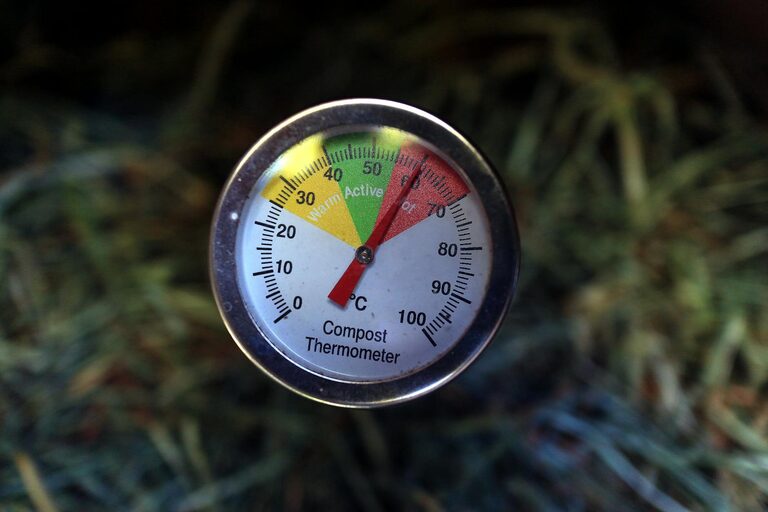
– Use a compost thermometer (if you like) to monitor temperature; ideal is around 130-150°F (54-66°C).
– Add garden soil or finished compost occasionally to introduce helpful microorganisms.
– Use compost as mulch, soil conditioner, or in potting mixes.
– Start small and gradually increase the volume you compost.
—
Final Thoughts
Starting a compost pile at home is easier than you might think and brings many benefits for your garden and the environment. By following these beginner tips, you’ll turn everyday waste into valuable compost in time. Every bit of organic waste you divert helps build a more sustainable future. Happy composting!
—
For more gardening tips and eco-friendly ideas, subscribe to our blog and join the community of home gardeners making a difference one compost pile at a time!